
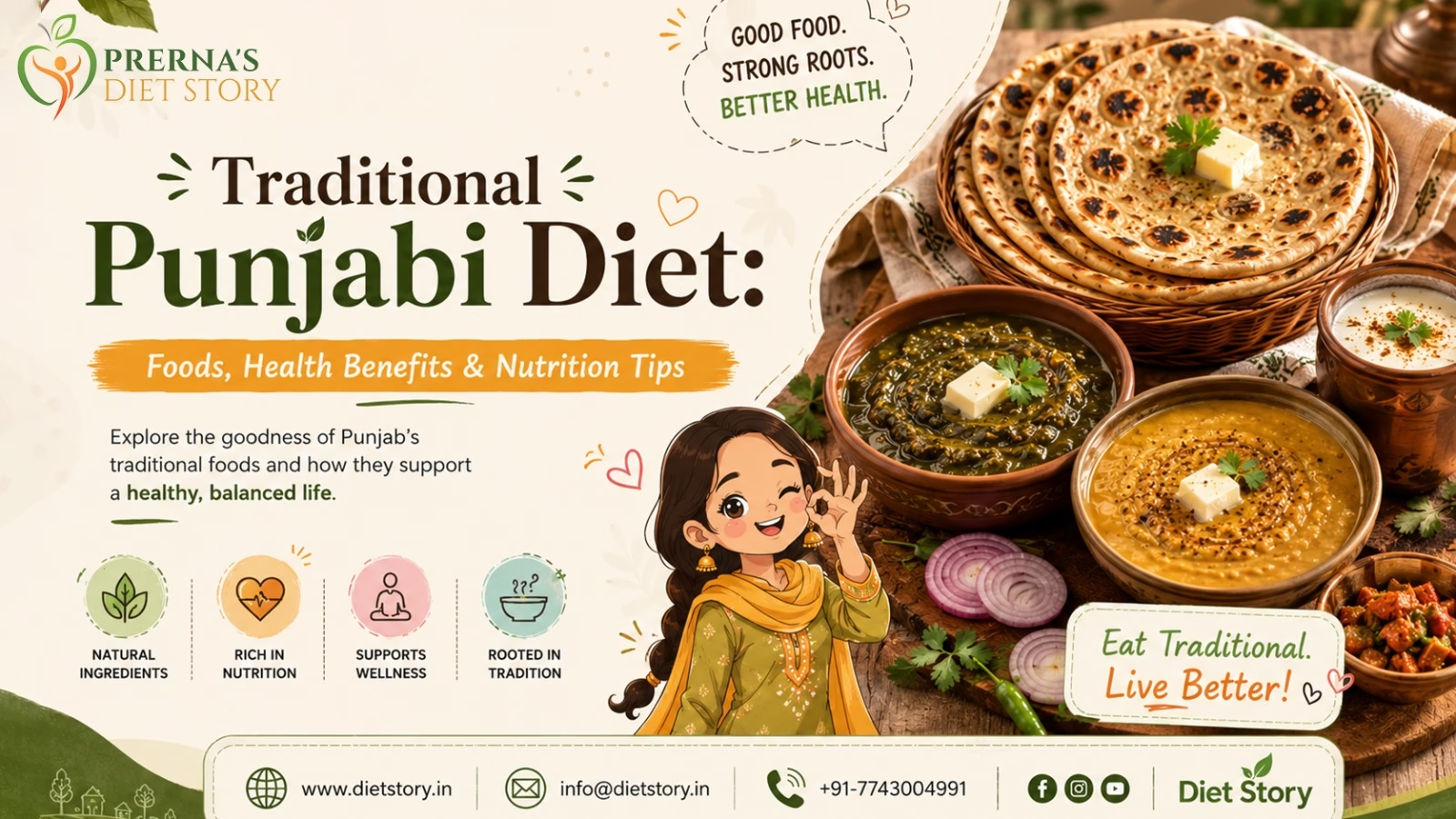
When one thinks about what Punjabi food is, what pops into everyone’s head is butter chicken, dal makhani, and a cup of thick lassi. However, the reality of Punjabi food is far from being limited to restaurant dishes. The diet is formed out of years and years of hard work, farming, manual labor, and weather conditions that include extremely cold winters and hot summers. Thus, it is a Punjabi diet that is rich in nutrients despite all the negative aspects of modern life and eating habits.
Working every week with the families of Punjabi origin in my Gurugram clinic, I am faced with one question: is Punjabi food healthy or is it only tasty and heavy? Unfortunately, the truth is somewhere in-between, but it is different for the diet consumed currently and the diet that was consumed several decades ago. Here, let’s see what makes up the typical Punjabi diet.
Staples and Carbohydrates
Grains are the base of Punjabi food and wheat is the grain used. Whole wheat flat breads, like Roti, Paratha and Phulka are eaten in every meal because they give consistent energy and have a lot of fiber. Makki di Roti, or cornmeal flat bread, takes on significance in the cold season when it can be consumed with sarson da saag.
Rice finds its place in Punjabi food, in dishes like ‘rajma chawal’ and ‘kadhi chawal’, but not as an everyday part of the diet, which it is in some other regions of India. Traditionally, Punjabi households had used a lot of millet grains, such as bajra and jowar, owing to the fiber and low glycaemic index of these grains.
Protein and Minerals
Here’s when the real strength of the Punjabi diet lies. Pulses and legumes are consumed on a regular basis – rajma (kidney beans), chole (chickpeas) and various kinds of dals, such as urad, moong and masoor, constitute the source of protein for almost all meals. With wheat, this combination provides a rather balanced source of amino acids even in absence of meat.
Paneer is one more important source of protein, being a good source of calcium, it is easily made in hundreds of dishes. Tandoori chicken and fish dishes are prepared by non-vegetarian families in clay pots with very little oil, which is, incidentally, much better than deep-frying.Then there is sarson da saag, the sarson da saag dish of mustard greens. This sarson da saag is rich in iron, calcium and vitamin K yet people usually prepare it with ghee.
Vegetables and Fruits
The idea of eating food that’s, in season has always been a big part of Punjabi cuisine. When it is winter we get mustards, turnips, radishes and spinach from the sarson da saag fields and other places. Summer yields bottle gourd, bhindi (lady fingers) and bathua. There are pickles (achar) made of mangoes, lemons, and assorted vegetables, which provide probiotics and taste but are also high in sodium content.
Traditionally, fruit intake used to depend on local produce – guavas, kinno (local variety of orange), and melons.
Dairy Products and Drinks
India’s dairy state, Punjab reflects this fact in its cuisine. Milk, curd, chaas (buttermilk), and lassi form a common component. The traditional use of lassi was that it was meant for the workers who drank it after long hours of physical labor. It is quite unlike the modern situation when one drinks lassi along with a heavy meal.
Ghee is used generously across Punjabi cooking, from tempering dals to finishing rotis. In moderate amounts, ghee does offer fat-soluble vitamins and healthy short-chain fatty acids — the issue today is portion size, not the ingredient itself.
A Typical Daily Punjabi Diet Structure
The general schedule for a meal-filled day in Punjab is generally as follows:
- Breakfast: dal Paratha, panner Paratha with curd or a unsweetened lassi
- Mid-morning: Fruit or a handful of nuts
- Lunch: Roti, a dal or vegetable sabzi, curd, and salad
- Evening: Tea with a light snack
- Dinner: Roti or rice with sabzi/dal, kept lighter than lunch in most traditional households
The key difference between then and now isn’t really the food — it’s the activity level surrounding it. Farming families burned off far more of those calories through physical work than most of us do sitting at desks today.
Traditional Punjabi Diet: Benefits and Calories
Done right, the Punjabi diet offers real nutritional strengths:
- High fibre from whole wheat, legumes, and seasonal vegetables
- Strong protein base from dals, paneer, and legumes
- Anti-inflammatory spices — turmeric, ginger, and cumin are used in nearly every dish
- Good calcium and iron intake from dairy and leafy greens like sarson da saag
On the calorie side, though, portion and preparation matter a lot:
- A single ghee-laden paratha can run 250–350 calories
- A bowl of dal makhani with cream can cross 300 calories
- A glass of sweetened lassi can add another 200+ calories
None of these foods are “bad” — the issue is stacking several rich items in one sitting, which was rarely how they were traditionally eaten one dish at a time across a physically active day.
Is the Punjabi Diet Healthy? Expert Tips to Balance It
In my clinical experience, Punjabi clients don’t need to give up their food to lose weight or manage conditions like diabetes and high cholesterol — they need to rebalance it. A few adjustments I recommend:
- Swap refined maida-based parathas for whole wheat or millet-based ones
- Use ghee for tempering, not as a topping layer
- Choose plain lassi or chaas over sweetened versions
- Pair every meal with raw salad to slow down carbohydrate absorption
- Keep rice and roti to one per meal rather than both together
The traditional Punjabi diet, eaten the way it was designed to be eaten, is actually one of India’s more balanced regional cuisines. It just needs a few mindful tweaks for today’s less active lifestyles.
FAQs
- Can Punjabi food help one to lose weight? Yes, with a few changes. Emphasizing dal, sabzi, whole wheat roti, and curd along with a reduction in intake of ghee, frying, and sweets like lassi will facilitate gradual weight loss.
- What is the healthiest food that the Punjabis eat? The best healthy food in Punjabi cooking is sarson da saag or dishes made from dal, which provide protein and iron without any ghee or butter.
- Is ghee unhealthy in Punjabi cuisine? No, in moderation. There are health advantages in ghee, however traditional Punjabi cuisine tends to consume more than what is necessary. Controlling the portions is better than abstaining from it.
- Can diabetes patients eat the traditional Punjabi diet? Yes, by making some modifications – substituting the white rice and maida with whole grain and cutting down on the sugars in lassi and desserts.
- Why do people think Punjabi food is very caloric? Punjabi cuisine gets a bad reputation, but the issue isn’t the basic ingredients. It’s the rich cooking style and bigger serving sizes that can make meals heavier than needed.
- Can Punjabi food be both tasty and healthy? Absolutely. Cook with less oil or ghee, save deep-fried dishes for special occasions, try baking or air frying instead, choose lighter dairy options, and fill half your plate with vegetables or salad. You’ll still enjoy the authentic flavors while making your meals more balanced.
Ready to Enjoy Punjabi Food Without the Guilt?
Do you like the conventional food of Punjabi cuisine? Then here comes your solution to have a diet that caters to your health needs diet , including weight loss, Diabetes, hormonal balancing, and more! Ms. Prerna Dhingra offers customized diet plans that take into consideration your food culture as well.
Come and get your custom consultations according to your needs and preferences.
👉 Book your personalized diet consultation at Diet Story
If you’d like a personalised plan tailored to your blood reports, food preferences, and lifestyle, book a consultation with Dt. Prerna Dhingra at Diet Story, Gurugram.
👉 Visit DietStory.in →
📞 +91-7743004991 📧 info@dietstory.in 📍 Gurugram, Haryana





Leave a comment