
By Dt. Prerna Dhingra | Diet Story,
What Is Insulin Resistance — And Why Are Indians at Higher Risk?
Let’s be honest.most of us have little thought to give insulin resistance until our doctor says we are “borderline” because of our blood sugar or that our HbA1c has gone up from last time. At that time, however, insulin resistance has likely been accumulating within your body for months or sometimes years.
Insulin is a hormone made by the pancreas that helps move sugar (glucose) from your food into your body’s cells for energy. When you have insulin resistance, your cells don’t respond properly to insulin. To compensate, the pancreas produces more insulin, but glucose still builds up in the blood. Over time, this can lead to weight gain (especially around the abdomen), constant fatigue, sugar cravings, and an increased risk of type 2 diabetes.
Indians are at a higher risk of developing insulin resistance due to genetic factors. Many develop it at a younger age and even at a lower BMI compared to other populations. Diets high in white rice, refined flour (maida), sugary drinks, along with long hours of sitting and low physical activity, further increase the risk. Adopting a balanced diet and staying active can help improve insulin sensitivity and lower the risk of diabetes.
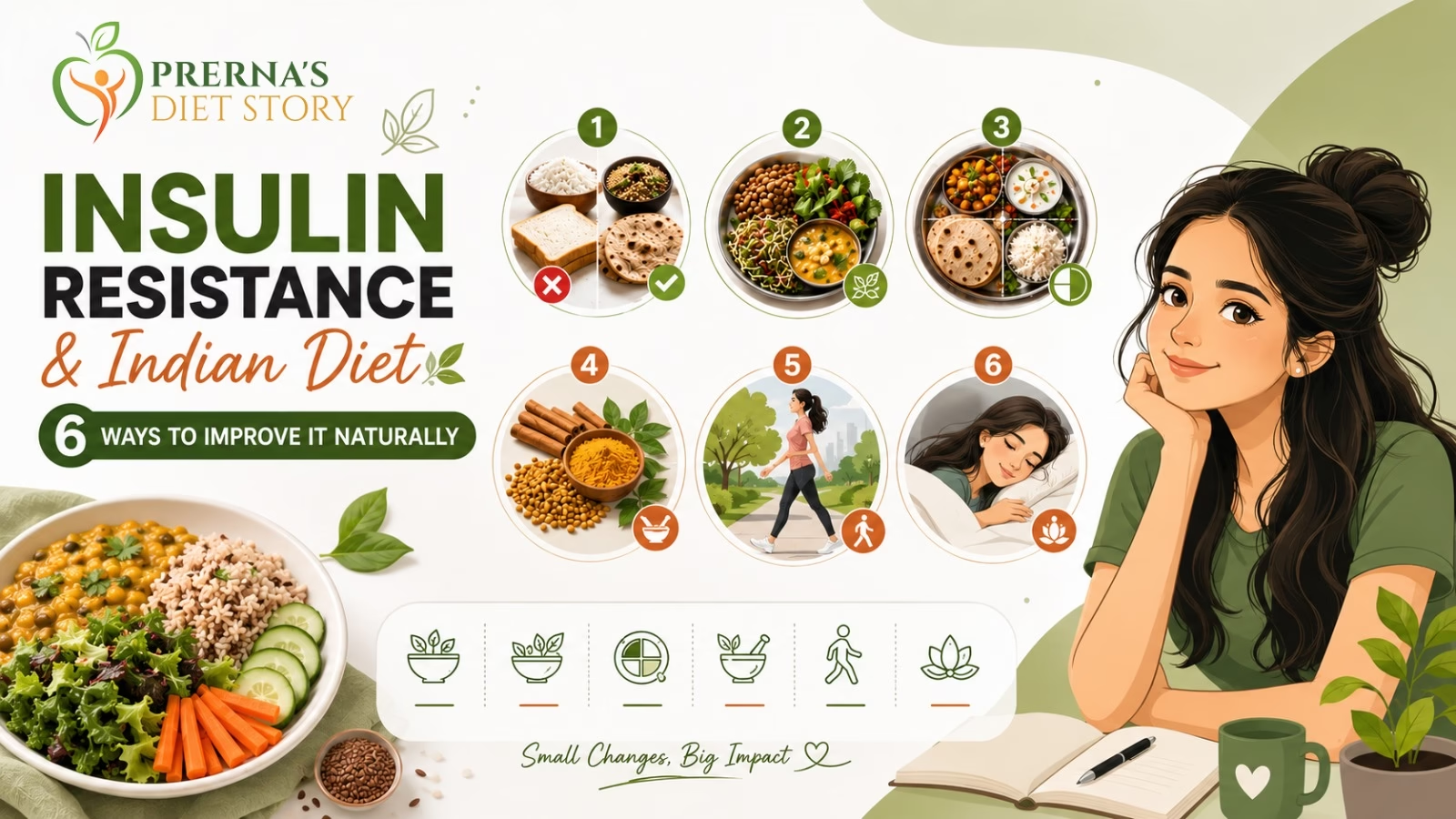
6 Natural Ways to Improve Insulin Resistance with an Indian Diet
1. Replace High-GI Foods with Low-GI Indian Alternatives
The biggest driver of insulin resistance in Indian diets is simple: we eat too many high glycaemic index (GI) foods. White rice, maida rotis, white bread, poha made with thick flattened rice, and packaged biscuits — these foods spike your blood sugar fast, which triggers a flood of insulin.
The fix isn’t to stop eating Indian food. It’s to make smarter swaps:
| Instead of this | Try this |
| White rice | Brown rice, millet rice, or cauliflower rice |
| Maida roti | Whole wheat + besan mixed roti |
| Sooji upma | Oats upma or daliya upma |
| White bread | Multigrain or ragi bread |
| Packaged namkeen | Roasted chana or makhana |
Millets like bajra, jowar, ragi, and foxtail millet are genuinely powerful here. They have a much lower GI than rice or wheat, are rich in fibre, and they’ve been part of Indian diets for centuries — we’ve just forgotten them. Time to bring them back.
At Diet Story, Dt. Prerna regularly recommends a millet rotation for clients managing insulin resistance — alternating between jowar roti one day, bajra khichdi the next. Small changes, big impact.
2. Load Up on Fibre — the Indian Way
Fibre helps slow the absorption of sugar into the bloodstream, preventing sudden spikes in blood sugar and insulin after meals. However, many people living in urban areas don’t eat enough fibre, which can increase the risk of insulin resistance and other health problems.
The good news? Traditional Indian diets already include plenty of fibre-rich foods. Adding more whole grains, dals, beans, vegetables, fruits, nuts, and seeds to your daily meals can naturally improve your fibre intake and support better blood sugar control.
- Dal (lentils): Masoor, moong, chana — all excellent. Have at least one bowl daily.
- Sabzi with skin on: Stop peeling everything. The skin of lauki, tinda, turai contains valuable fibre.
- Raw salad before meals: Even a small kachumber salad before lunch slows glucose absorption significantly.
- Whole fruits over juice: An orange is always better than orange juice. The fibre is what matters.
- Psyllium husk (Isabgol): A traditional remedy that genuinely works — a teaspoon in water before meals can reduce post-meal glucose spikes.
Target: aim for 25–35 grams of fibre per day. Most Indians currently get around 10–15 grams. Doubling your dal intake and adding a salad to every meal gets you most of the way there.
3. Fix Your Meal Timing and Plate Proportions
What you eat matters. But when you eat and how much of each thing matters just as much.
The Indian thali problem: A typical Indian thali can have 60–70% of calories coming from carbohydrates (rice + roti + dal + sabzi with potato). That’s a lot of glucose hitting the bloodstream at once.
A simple restructure of your plate can make a dramatic difference:
The Insulin-Friendly Indian Plate:
- ½ plate → Non-starchy vegetables (spinach, lauki, beans, karela, broccoli)
- ¼ plate → Protein (dal, paneer, egg, chicken, tofu)
- ¼ plate → Complex carbs (1 roti or small portion of brown rice)
- Start with sabzi and dal first, carbs last
This order of eating — vegetables and protein before carbs — has been shown in studies to reduce post-meal blood glucose spikes by up to 30%.
Also: don’t skip breakfast. Many working professionals skip morning meals thinking it helps weight loss. In insulin resistance, skipping breakfast often leads to higher cortisol, more cravings by afternoon, and a larger glucose spike when you finally eat.
4. Include These Powerful Indian Kitchen Remedies
Before you reach for supplements, look at your masala dabba. Several common Indian spices and foods have real, research-backed effects on insulin sensitivity:
Methi (Fenugreek): Methi seeds contain a special soluble fibre called galactomannan that slows carbohydrate absorption. Soaking 1 teaspoon of methi seeds overnight and eating them on an empty stomach in the morning is a traditional remedy with actual science behind it.
Karela (Bitter Gourd): Contains plant compounds that mimic insulin activity. Karela juice or karela sabzi 3–4 times a week can support blood sugar management.
Haldi (Turmeric): Curcumin, turmeric’s active compound, has anti-inflammatory properties that directly address one of the root causes of insulin resistance — chronic low-grade inflammation. Add it to dals, sabzis, and warm milk.
Dalchini (Cinnamon): Even half a teaspoon of cinnamon daily has been shown to improve insulin sensitivity. Add it to your chai instead of extra sugar.
Amla (Indian Gooseberry): Rich in Vitamin C and antioxidants, amla has been shown to reduce fasting blood glucose and improve insulin function. Fresh amla, amla juice, or amla powder — all work.
These aren’t magic cures. But combined with dietary changes, they meaningfully support your body’s insulin response.
5. Move Your Body — Even a 20-Minute Walk After Meals Counts
You don’t need a gym membership. You don’t need to run. One of the most powerful things you can do for insulin resistance is take a 20-minute brisk walk after your largest meal of the day.
Here’s why this works: when your muscles are active, they absorb glucose directly — without needing insulin to do it. It’s like bypassing a broken lock entirely. Exercise essentially gives your cells a second door.
In terms of lifestyle practices in India, there are a number of actions that are effective.
Post-Lunch Walk: Taking a short walk after lunch (15-20 minutes) dramatically decreases the rise of blood sugar after eating.
Yoga: Certain yoga poses (e.g., Paschimottanasana, Ardha Matsyendrasana, Mandukasana) have long been known to provide improved function of the pancreas.
Resistance Exercise 2-3 X per week: Building muscle mass through resistance exercise is one of the best methods for managing insulin resistance over time. Muscle is very responsive to insulin.
Avoid sitting for over 45 minutes; get up every 45 minutes to stretch and walk for 5 minutes.
Studies show that people who exercise 150-170 minutes/week will experience an improved sensitivity to insulin by 85%. The time required to get your total minutes could be accomplished in 3 walks each lasting 20 minutes.
6. Prioritise Sleep and Stress Management
Many people don’t think of the effects of sleep deprivation and chronic stress on insulin resistance. However, these two factors are some of the most underestimated causes of insulin resistance, especially in urban India today.
When it comes to sleep, there is substantial research on how poor sleep (less than 6 hours per night) for one week negatively impacts insulin resistance. The primary reason for this negative effect on insulin resistance is due to the increased level of the stress hormone, cortisol, that accompanies being deprived of sleep. In addition, cortisol inhibits insulin action in the body. Therefore, it is important to aim for at least 7-8 hours of sleep and be consistent with when you go to bed.
Like sleep deprivation, chronic stress negatively impacts insulin resistance as well. By being under continuous stress—be it financial, family, or job-related pressure—your cortisol levels remain elevated. Cortisol then stimulates the liver to release more glucose into the blood. The continuous cycle of high levels of glucose in your blood eventually wears down your pancreas, and you develop insulin resistance.
Practical Stress Management Tips for Better Insulin Resistance Health
- Practice Anulom Vilom (Pranayama): Just 10 minutes every morning can help lower stress hormones like cortisol.
- Try Ashwagandha: This Ayurvedic herb may help reduce cortisol levels and improve insulin sensitivity. Consult your healthcare provider before taking supplements.
- Limit screen time before bed: The blue light from phones and laptops can interfere with melatonin production and affect sleep quality.
- Eat dinner early: Finishing your meal by 7:30–8:00 PM may support better blood sugar control and reduce the risk of insulin resistance.
What to Avoid in Your Indian Diet if You Have Insulin Resistance
Foods to Limit for Better Blood Sugar Control
What you avoid is just as important as what you eat.
- Maida (refined flour): Cut back on foods like samosas, kachoris, naan, white bread, and biscuits.
- Packaged fruit juices: Even 100% fruit juice can cause a quick rise in blood sugar. Choose whole fruits instead.
- Sugary chai: Drinking several cups of sweet tea every day can add a lot of hidden sugar.
- Refined oils: Use healthier fats like cold-pressed mustard oil, olive oil, or ghee in moderation.
- White sugar: Reduce added sugar and, if needed, use small amounts of dates or jaggery, while keeping overall sweetness low.
A Realistic 1-Day Indian Meal Plan for Insulin Resistance
🌅 Early Morning (6:30–7:00 AM)
- 1 tsp soaked methi (fenugreek) seeds
- 1 glass warm water with half a lemon
🍳 Breakfast (8:00–9:00 AM)
- Vegetable oats upma with 1 boiled egg
OR
- 2 moong dal chillas
- 1 cup green tea (no sugar)
🍎 Mid-Morning (11:00 AM)
- 1 small bowl of papaya, guava, or pear
🍽️ Lunch (1:00–2:00 PM)
- 1–2 jowar or bajra rotis
- 1 bowl dal
- 1 bowl green vegetable sabzi
- Small kachumber salad (eat it before your meal)
☕ Evening Snack (4:00–5:00 PM)
- A handful of roasted chana or makhana
- 1 cup herbal tea or masala chai with very little sugar
🌙 Dinner (7:00–7:30 PM)
- 1 bowl vegetable soup
- 1 roti
- Paneer or chicken sabzi
- 1 bowl curd
🚶 Tip: Take a 15–20 minute walk after lunch and dinner to help improve blood sugar control and insulin sensitivity.
Frequently Asked Questions (FAQs)
Q1. Can insulin resistance be reversed completely with diet? Yes, especially in the early stages. Insulin resistance can often be improved—and in many cases reversed—with a balanced diet, regular exercise, good sleep, and healthy lifestyle habits. Early action makes the biggest difference. At Diet Story, Dt. Prerna has helped many clients improve their HbA1c through personalized nutrition plans, with results varying from person to person.
Q2. Is rice completely off-limits if I have insulin resistance? No, you don’t have to give up rice. Instead, choose healthier options like brown, red, or hand-pounded rice, keep your portions moderate, and pair rice with dal, vegetables, and protein. Eating vegetables and protein before rice can also help reduce blood sugar spikes.
Q3. How long does it take to see improvement in insulin resistance? Most people notice improvements in energy, belly fat, and blood sugar within 4–8 weeks of following healthy lifestyle habits consistently. HbA1c and other lab results usually show noticeable improvement within 3–6 months.
Q4. Is insulin resistance the same as diabetes? No — but it’s a direct precursor. Insulin resistance is a condition where cells stop responding properly to insulin. If left unaddressed, it progresses to prediabetes and then Type 2 diabetes. The good news is that unlike diabetes, insulin resistance is highly reversible.
Q5. Should I take metformin for insulin resistance? That’s a decision to make with your doctor. Metformin is commonly prescribed, but many people with mild to moderate insulin resistance can manage it without medication through diet and lifestyle. At Diet Story, we always recommend getting a personalised plan based on your blood reports, lifestyle, and health history.
Q6. Is ghee bad for insulin resistance? No — in moderation, ghee is actually beneficial. Ghee contains butyrate, which supports gut health and has anti-inflammatory effects. A teaspoon of desi ghee with your roti can actually slow carbohydrate absorption. The problem is overconsumption — keep it to 1–2 teaspoons per day.
Final Thoughts: Your Indian Kitchen Is Already Full of Solutions
Insulin resistance is not a life sentence. And you don’t need to eat boiled chicken and broccoli every day to fix it.
The answer — for most Indians — lies in reconnecting with traditional food wisdom: millets over maida, dal over packaged protein, spiced herbal teas over sugary chai, and evening walks over evening screens.
Small, consistent changes compound into dramatic results. The clients at Diet Story who’ve reversed their insulin resistance didn’t follow extreme diets. They made thoughtful, sustainable shifts — guided by expert nutritional advice — and stayed consistent.
If you’d like a personalised plan tailored to your blood reports, food preferences, and lifestyle, book a consultation with Dt. Prerna Dhingra at Diet Story, Gurugram.
📞 +91-7743004991 📧 info@dietstory.in 📍 Gurugram, Haryana






Leave a comment