
By Dt. Prerna Dhingra | Diet Story |
If you are on a diet to manage your weight or have diabetes you might have come across moong dal idli as an option compared to regular rice idli.. Have you ever wondered how many calories it actually has? Does the way you make it change the calorie count? I get asked these questions by my clients at Diet Story every week.
In this article I will tell you everything about the calories in Moong Dal Idli. From its information, to how different preparation methods affect the calorie count. Moong dal idli is a food. Its calories are important to know. Lets clear up any confusion about Moong Dal Idli Calories once and, for all.
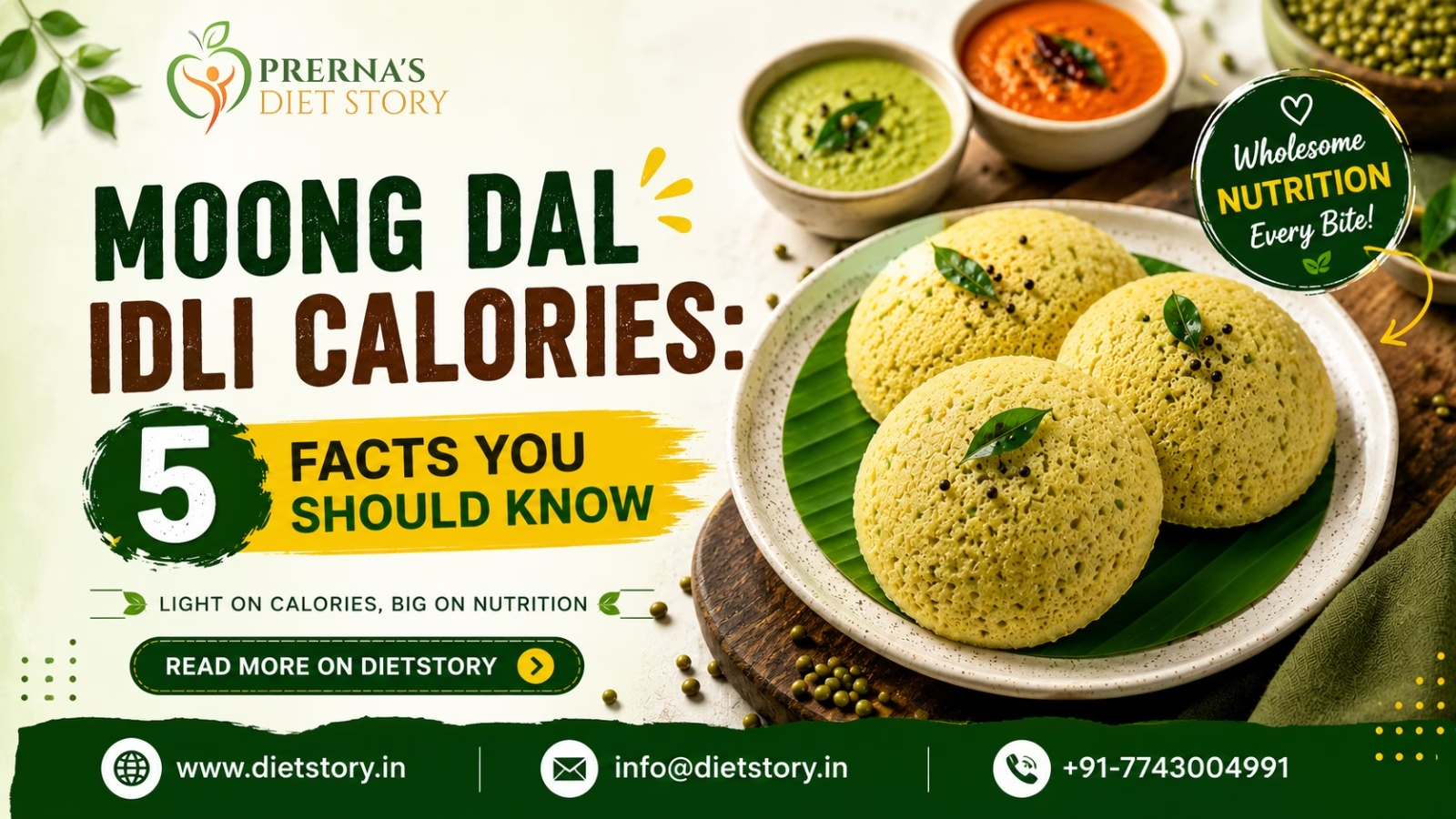
What Is Moong Dal Idli?
Moong Dal Idli is a version of the traditional South Indian idli. It has a lot of protein and not many carbs. This is because Moong Dal Idli is made from yellow moong dal or yellow lentils. They use Moong Dal Idli of the usual rice and urad dal mixture. The way they make Moong Dal Idli is, by steaming it. They do not fry Moong Dal Idli. So Moong Dal Idli is a food that’s easy to digest.
The good thing about Moong Dal Idli is that it does not need to go through the fermentation process that traditional idli needs or it needs very little fermentation so Moong Dal Idli is quicker to make and easier, on the stomach.
Fact 1: Standard Nutritional Profile of Moong Dal Idli
To know how many calories are, in Moong Dal Idli we need to look at what it’s made of. A regular Moong Dal Idli, which is 40 to 50 grams is made with a batter of plain yellow Moong Dal. This Moong Dal Idli contains:
| Nutrient | Per Idli (approx.) |
| Calories | 55–70 kcal |
| Protein | 3.5–4.5 g |
| Carbohydrates | 8–10 g |
| Fat | 0.5–1 g |
| Dietary Fibre | 1.5–2 g |
Note: Values are approximate and depend on size and recipe.
When you eat a rice idli it has about 65 to 80 calories and not much protein. Moong dal idli is an option because it has a lot of protein and fibre. You get a lot of protein and fibre for the calories you get from moong dal idli. This makes moong dal idli a good choice for people who want to lose weight manage diabetes and keep their moong dal idli muscles healthy. Moong dal idli is really good, for people who want to take care of their muscles and stay healthy. Moong dal idli is a good thing to eat.
You can choose moong dal idli over rice idli, for weight loss and diabetes management..
At Diet Story, Dt. Prerna Dhingra frequently recommends moong dal idli as part of personalised diet plans, especially for clients managing blood sugar and hormonal imbalances.
Fact 2: How You Make It Affects The Calories In Moong Dal Idli
People often forget that the way you make Moong Dal Idli can really change the calorie count. The basic recipe for Moong Dal Idli is not very high in calories. However the way you prepare Moong Dal Idli can add a lot of calories. Cut them down. The calories, in Moong Dal Idli depend on how you make Moong Dal Idli.
Pure Moong Dal Idli (Basic Recipe)
- Calories per idli: ~55–65 kcal
- Just moong dal, water, salt, and green chilli. No oil in the batter. Steamed directly.
Moong Dal Idli with Semolina (Rava)
- Calories per idli: ~70–80 kcal
- Adding rava increases the carbohydrate content but also improves texture and binding.
Moong Dal Oats Idli
- Calories per idli: ~65–75 kcal
- Adding rolled oats boosts fibre significantly, making this version excellent for slow digestion and blood sugar control.
Moong Dal Idli with Tempering (Tadka) Added to Batter
- Calories per idli: ~75–90 kcal
- When mustard seeds, curry leaves, and oil are added to the batter before steaming, the calorie count rises based on the quantity of oil used. Even 1 teaspoon of oil adds around 40 kcal spread across the batch.
Key Takeaway: The simplest, purest version of moong dal idli is the lowest in calories. Every addition — however healthy — adds to the count. Moong Dal Idli with Tempering is made by adding some things to the Moong Dal Idli batter.
- Calories in each Moong Dal Idli: around 75 to 90 calories
- When we add mustard seeds and curry leaves and oil to the Moong Dal Idli batter before we steam it the calories in Moong Dal Idli go up. This happens because of the oil we use. Even a small amount of oil like one teaspoon adds around 40 calories to the batch of Moong Dal Idli.
Key Takeaway: The simplest Moong Dal Idli, with the basic ingredients has the least calories. When we add things to Moong Dal Idli even if they are good, for us the calorie count of Moong Dal Idli goes up.
Fact number 3: The Serving Size Is Where Most People Make A Mistake
When my clients say they had Moong Dal Idli for breakfast I always ask them: how Moong Dal Idlis did they have? This is where people usually go wrong with tracking the calories of Moong Dal Idli.
| Serving | Approx. Calories |
| 1 idli | 55–70 kcal |
| 2 idlis | 110–140 kcal |
| 3 idlis (typical meal) | 165–210 kcal |
| 4–5 idlis | 220–350 kcal |
A meal of 3 plain moong dal idlis with a bowl of sambar and a small portion of coconut chutney can have around 280 to 380 calories.this is because of the things that come with the moong dal idlis.Sambar has about 50 to 80 calories per cup. Sambar is made with dal and vegetables.
Coconut chutney has about 60 to 90 calories per tablespoon. This is because coconut chutney has coconut and sometimes oil in it.
Tip: If you are watching what you eat you should have 2 to 3 idlis with thin sambar. You should not have coconut chutney if you are worried about calories.
This way you can have an balanced breakfast with idlis and sambar for, under 300 calories.
Fact 4: 5 Key Factors That Affect Moong Dal Idli Calories
The total calorie count of your idli is not fixed — it is influenced by five key factors:
1. Size of the Idli
Idlis cooked in moulds usually weigh between 40 to 50 grams each.Mini idlis are much smaller. Weigh about 15 to 20 grams, which is around 20 to 25 kcal each.On the hand large idlis served in restaurants can weigh, between 70 to 90 grams, which is around 90 to 110 kcal each.When you are counting idlis make sure to weigh them of just counting the number of pieces. Idlis can vary in size and weight so its best to check by weight.
2. Soaking and Fermentation Duration
Soaking moong dal for a time breaks down some of the starch and bad stuff in moong dal. This does not really change the number of calories in moong dal. It does make moong dal better for our blood sugar levels. When we let the moong dal batter sit for a while the same amount of calories, in moong dal will not make our blood sugar levels go up much. This is because the fermentation process makes moong dal easier to digest. The moong dal becomes a food for us when it is fermented well.
3. Addition of Vegetables
People often add carrot, spinach, fenugreek or beetroot to the idli batter. These things do not add a lot of calories to the idli, around 5 to 15 calories.. They really help increase the amount of good things like vitamins, minerals and antioxidants, in the idli. The grated carrot, spinach, fenugreek or beetroot make the idli a lot healthier.
4. Type of Oil and Quantity Used (Greasing Moulds)
Most people overlook the oil used to grease the idli moulds. Even a light brush of oil adds approximately 10–15 kcal to each idli. Over 3–4 idlis, this can quietly add 40–60 extra calories to your meal.
5. Accompaniments and Side Dishes
When we think about idlis we also have to consider the things we eat with them like sambar and chutney. These things can actually add a lot of calories to our meal. If we have a chutney that’s really rich and made with a lot of coconut or a sambar that has a lot of butter in it our total calorie count, for the meal can easily be twice as much as it would be if we just had the idlis..
Fact 5: Why Moong Dal Idli Is a Smart Choice for Weight Management and Diabetes
From a clinical nutrition standpoint, Moong Dal calories are well-distributed — meaning the protein, fibre, and carbohydrate balance is ideal for steady energy without blood sugar spikes.
Here is why Doctor Prerna Dhingra at Diet Story recommends it to clients, across her weight loss, diabetes and hormonal health programs:
- High protein content supports muscle preservation during weight loss and keeps you fuller for longer.
- Low glycaemic index compared to regular rice idli — important for diabetics and those managing insulin resistance.
- Easy to digest — Moong dal is easy on the stomach. It is one of the legumes, which makes it good for people, with sensitive tummies.
- Naturally low in fat — When you make it without using much oil it is a good choice for people who are, on a low-fat diet. The food fits into fat dietary protocols because it does not have a lot of extra oil.
- Versatile for meal planning — can be eaten at breakfast, as a light dinner, or as a post-workout snack when paired with protein-rich sambar.
For clients on our Weight Loss Programme or Diabetes Diet Programme, idli often features as a regular breakfast or evening snack option, precisely because its calorie density is low and its nutritional density is high.
Moong Dal Idli vs. Regular Idli: A Quick Comparison
| Parameter | Moong Dal Idli | Regular Rice Idli |
| Calories (per piece) | 55–70 kcal | 65–80 kcal |
| Protein | 3.5–4.5 g | 1.5–2 g |
| Fibre | 1.5–2 g | 0.5–1 g |
| Glycaemic Impact | Lower | Higher |
| Preparation Time | Less (no long fermentation) | Longer (overnight fermentation) |
| Suitable for Diabetics | Yes (preferred) | Moderate |
The numbers make it clear — idli wins on protein and fibre while staying comparable in calories. For anyone focused on body composition, metabolic health, or diabetes reversal, the shift from regular idli to moong dal idli is a meaningful one.
Simple Base Recipe: Moong Dal Idli (Low Calorie Version)
Ingredients (makes ~12 idlis):
- 1 cup split yellow moong dal (soaked 4–6 hours)
- 2–3 green chillies
- 1 inch ginger
- Salt to taste
- 1 tsp Eno/fruit salt (for fluffiness, optional)
- Water as needed
Method:
- Blend soaked moong dal with green chilli and ginger into a smooth, thick batter.
- Add salt and mix well. If using Eno, add just before pouring into moulds.
- Lightly grease idli moulds (use minimal oil or silicone moulds).
- Steam for 10–12 minutes on medium flame.
- Serve with thin tomato-onion chutney or vegetable sambar.
Calories per idli (this recipe): ~55–60 kcal
Final Thoughts from Dt. Prerna Dhingra
Idli has few calories when it is made in a simple way and eaten in the right amount. Idli is one of the traditional Indian foods that has everything we need. It has a lot of protein a moderate amount of carbs, a little fat, a lot of fibre and it is easy to digest. That being said the number of calories in Idli can go up quickly if we use a lot of oil eat servings or have it with chutneys that are high in calories. If we know these things about Idli we can have it as a meal that is good for our diet.
If you want a meal plan that’s just for you and includes foods, like Idli as part of a diet that helps you reach your goals. Whether you want to lose weight manage diabetes or just be healthy. Moong Dal Idli is a good choice.— book a consultation with Dt. Prerna Dhingra at Diet Story today.
About the Author: Diet Story, Dt. Prerna Dhingra is a registered dietitian. She is the founder of Diet Story. Diet Story is based in Gurugram, Haryana. Dt. Prerna Dhingra has been doing this work for over 5 years now. She is really good at creating nutrition plans for people with diabetes. Dt. Prerna Dhingra also helps people, with weight management and hormonal health issues. She even helps people deal with lifestyle diseases. Dt. Prerna Dhingra has helped a lot of people. Than 15,000 clients. Achieve good health that lasts.
FAQ
- How many calories does one idli have?
One regular-sized idli (around 40–50 grams) has roughly 55 to 70 calories. This is slightly less than a regular rice idli, which typically falls between 65 and 80 calories. The exact number depends on your recipe and how big your idli moulds are. - Does adding rava or oats to moong dal idli increase the calories?
Yes it does make a difference. Not a big one. When you add semolina also known as rava to idli each one has about 70 to 80 calories. If you use oats instead each idli has around 65 to 75 calories. Using oats is an idea because the extra fiber in oats helps slow down digestion and keeps blood sugar levels steady. So the few extra calories, in oats idli are worth it. - I had 4 moong dal idlis for breakfast — was that too many?
Four to five idlis have around 220 to 350 calories. This is from the idlis not including sambar and chutney.If you want to manage your weight 2 to 3 idlis, with some light vegetable sambar is a choice. This keeps your breakfast under 300 calories. Idlis and sambar is a breakfast option. - Does the oil used to grease the moulds really matter?
People do not know this. When you put an oil on each idli mould it adds around 10 to 15 calories to each idli. If you eat 3 to 4 idlis that’s 40 to 60 extra calories, in your meal. Idlis have a lot of calories from the oil. Using silicone idli moulds is an idea. Silicone moulds do not need a lot of oil. This is a way to keep track of the calories in your idli meal. Idlis made in silicone moulds are better because they have calories from oil. - Is moong dal idli actually better than regular idli for diabetics?
Yes. The difference is really important. Moong dal idli is better for you than rice idli because it does not make your blood sugar go up as fast. This is a thing. Moong dal idli also has twice as much protein as regular rice idli. It has around 3.5 to 4.5 grams of protein per idli while regular rice idli only has around 1.5 to 2 grams. Moong dal idli also has fibre. The protein and fibre, in Moong dal idli help keep your blood sugar under control throughout the day. Moong dal idli is a choice if you want to manage your blood sugar. - Can I eat moong dal idli if I’m on a weight loss diet?
Absolutely. Breakfast is really important for weight loss. One good option is something that is high in protein and fibre. This is because protein helps you feel full for a time and it also helps keep your muscles strong when you are trying to lose fat. The breakfast option I am talking about is really good for weight loss.Just be careful what you eat with it. For example coconut chutney has a lot of calories. Around 60 to 90 calories in one tablespoon. This can ruin your weight loss effort if you are not careful, with the coconut chutney. So you have to be mindful of the coconut chutney when you are trying to lose weight with this breakfast option. - Does soaking or fermenting the moong dal change the calorie count?
Not in any significant way — the calorie count stays roughly the same regardless of how long you soak or ferment the dal. What does change is how your body processes it. Longer soaking breaks down some of the harder-to-digest compounds in the lentils, and even a short fermentation makes the batter lighter on the stomach and gentler on blood sugar levels.





Leave a comment