
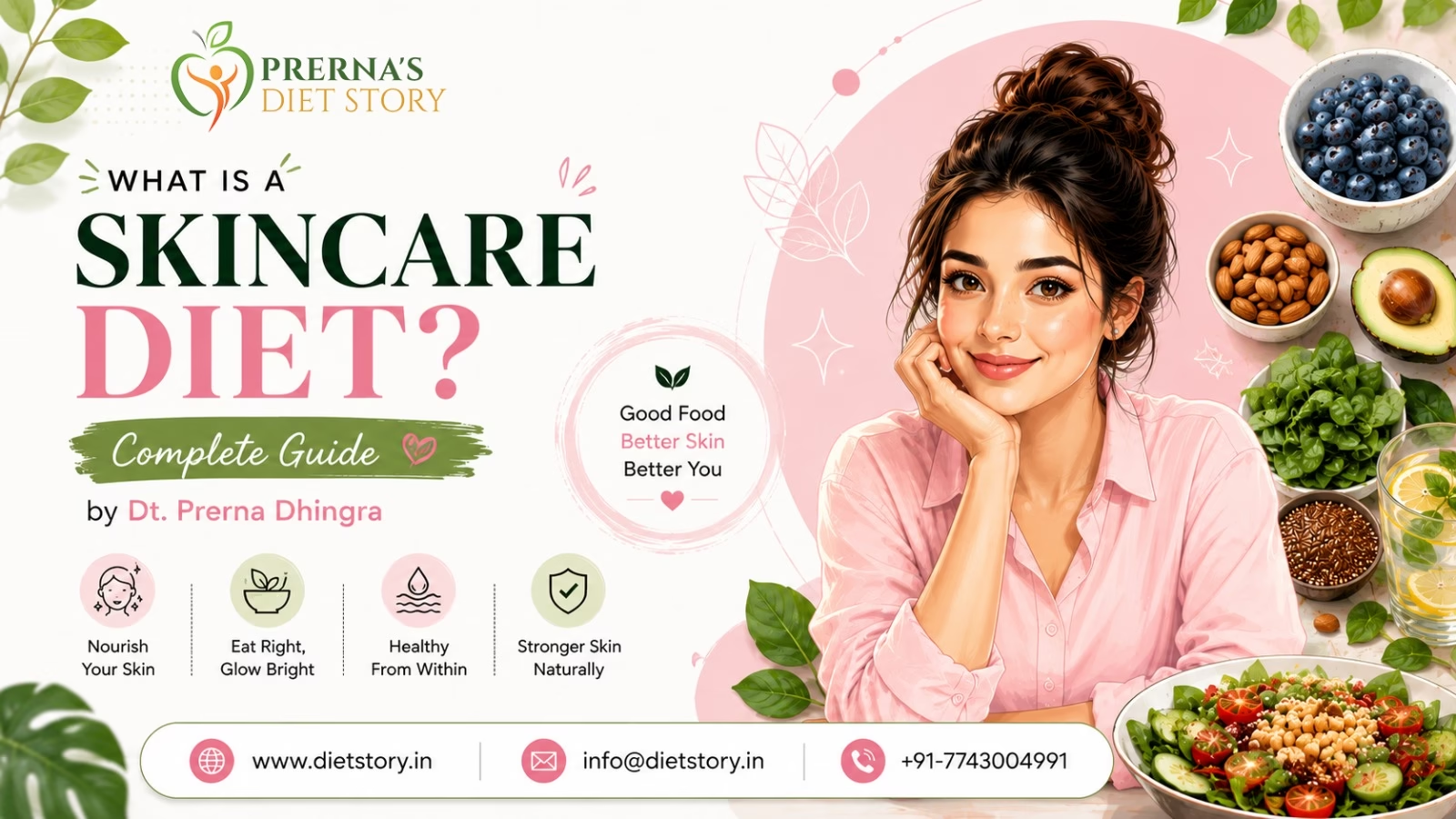
People spend thousands of rupees every month on serums, cleansers, and moisturizers, but often overlook the importance of a skincare diet. If you’re dealing with dull skin, acne, or early signs of aging, the solution may not be in another skincare product—it may be on your plate. A nutrient-rich skincare diet can nourish your skin from within and support long-term skin health.
Over my years working with clients in different parts of India at Diet Story, I have seen a trend emerge among people seeking help from me after exhausting all the skincare products available to them and realizing that there’s only so much you can achieve by relying on external means. Here’s everything you need to know about a skincare diet.
What Exactly Is a Skincare Diet?
The skincare diet refers to the dietary plan involving consumption of foods which help in repairing and protecting your skin and hydrating it. It’s not something like a diet, where you go through starvation, juice cleanse, or detoxification for losing weight and cleansing your body from toxins. Rather, it’s all about following a proper diet which constantly helps your skin get the required nutrients, such as antioxidants which help in fighting skin damage, fatty acids which help in preserving the skin barrier, as well as vitamins and minerals which regulate oil production and inflammation.
Your skin is the largest organ of your body and is also one of those organs which get the nutrients only after your heart, brain, liver, and muscles do. And that is precisely why an incomplete or half-hearted diet becomes visible in your skin first. The dull skin, breakouts, or even fine lines may be the first signs of deficiency of nutrients in your diet.
The Core Pillars of a Skincare Diet
After many years of clinical practice, I have realized that any good skincare diet must incorporate the following four components:
- First up, anti-inflammatory foods. Inflammation is one of the major factors (and the least understood one) causing acne, eczema, and aging of the skin. It is important to plan the meals with an abundance of fruits, vegetables, and Omega 3 foods.
- Hydration, not only water. While water is important, it is not the sole way to get hydrated. Cucumber, water melon, and chaas (buttermilk) are foods that contribute to keeping the skin elastic through internal hydration.
- Stable blood sugar. Sugar high causes a hormonal reaction leading to excess oil production and pores clogging. Blood sugar level can be balanced by eating fiber and proteins at every meal.
- Good gut-skin relationship. Imbalanced gut micro-biome leads directly to skin inflammation and acne breakouts. Curd, chaas, and idli/dosa batter (naturally fermented) food supports this principle.
5. Enough protein is important. Our skin is made from protein. Collagen and keratin the proteins that keep skin firm and elastic are made from acids that we get from food. If we don’t eat protein our body uses it for muscles and organs first and not enough for skin repair. This can cause healing of wounds, dull skin and sagging.
We can get protein from dal, paneer, curd, eggs, sprouts and soya. These are easy to include in our Indian meals. Eating protein with every meal also helps keep blood sugar stable, which’s important for pillar 3.
All five pillars. Anti-inflammatory foods, drinking enough water, stable blood sugar, balance of gut and skin and enough protein. Work together. They are not meant to be followed one by one. It’s the practice of all five that shows results, on our skin over time.
Key Nutrients and Their Local, Everyday Sources
No need for fancy superfoods to help you eat for your skin. Almost everything your skin needs can be found in an Indian kitchen:
Vitamin C – amla, guavas, lemon, bell peppers. Required for skin repair and collagen formation.
Vitamin A – carrots, sweet potatoes, spinach, papaya. Promotes turnover of skin cells, reducing dullness of the skin.
Vitamin E – almonds, sunflower seeds, peanuts. Acts as an antioxidant and helps protect the skin from damage due to UV rays and pollutants.
Omega-3 Fatty Acids – flax seeds, walnuts, chia seeds, as well as fish like rohu and mackerel (where applicable). Helps maintain the lipid layer of the skin, and reduces inflammation.
Zinc – pumpkin seeds, chickpeas, moong dal. Important for acne management and wound healing.
Probiotics – curd, buttermilk, homemade pickles (occasionally). Helps with the gut-skin axis.
It is not necessary that you consume all these foods daily; you should cycle through these on a weekly basis such that your skin gets a consistent and varied intake of nutrients and not just from one “hero” food.
Dietary Practices to Minimize Acne
One of the most frequent problems I see in my clinic is acne, and diet is an important factor for it more than people think. A few practices that work every single time for patients:
- Avoid high-glycemic foods such as white bread, maida foods, and beverages as these cause insulin elevation, leading to oil generation.
- Limit your dairy intake, especially skimmed milk, since some scientific studies indicate that such products lead to more active acne for some people.
- Zinc and omega-3 fatty acid consumption will reduce inflammation and control the formation of acne.
- Maintain your fiber consumption through vegetables, cereals, and fruits for better digestion, which is important for healthy skin.
- Don’t skip meals.Irregular food habits can upset your blood glucose levels and hormones, which appear as skin problems.
Foods to Limit for Healthier Skin
However, just as significant as what you should increase, it is also essential to decrease the following:
- Refined sugar and drinks containing sugar
- Foods that have been deep-fried and processed containing trans fats
- Too much caffeine and alcohol that may dehydrate the skin
- Packaged foods that are processed with sugars and preservatives
- Excessive consumption of salt that can cause swelling
None of this means total elimination — it means awareness and moderation, built around your specific skin concerns.
Professional Advice from Dt. Prerna Dhingra, Diet Story
During my many years of work, I have noticed that one of the most common mistakes people make is separating skin care from their diet. They should be interconnected; your skin reveals your overall health, your hormonal balance, your gastrointestinal system state, the quality of your sleep, and of course, your nutrition.
There is no such thing as a universal “magical” product that can save your skin. The only effective strategy for healthy-looking skin would be developing a sustainable, individualized eating regimen, taking into account your skin condition, your way of life, the health problems that may influence your skin state (for instance, PCOS and thyroid diseases), and your dietary preferences.
Skincare Diet Consultations, Anywhere in India
One of the most frequent questions that I am asked is whether this type of personalized assistance is provided to the clients living in Gurugram or Delhi-NCR region alone. No, it is not so. At Diet Story, we provide diet consultations via Internet throughout India, so irrespective of whether you live in Mumbai, Bangalore, Chandigarh or any other city or a small town, you will be able to get a personal diet plan for the betterment of your skin without visiting any physical clinic.
For those who are looking for personalized diet plan for their skin management, at Diet Story, personalized diet consultations are provided by Ms. Prerna Dhingra.
Ready to start? Book a Skincare Diet consultation with Diet Story or explore all our services at dietstory.in.
Building Your Own Skincare Diet: Where to Start
If it seems like all of that is too much to digest right now, then go easy on yourself and make incremental changes. For instance, start by fixing your diet at one meal each day – usually, this would be breakfast – in such a way that it includes at least one food item from each of the categories mentioned above – protein, fibrous fruits/vegetables, and healthy fats.
As far as the food swaps which my clients have found most useful have been small, practical changes to their daily routine – eating soaked almonds rather than having sweet snacks in between meals, replacing regular flour-based rotis with multigrain ones, or substituting desserts at lunch with curd. Such small changes, made every single day, are what can result in visible changes to skin after a few months.
However, one thing that should not be overlooked is the fact that skin problems do not usually have just one reason for their occurrence. Hormones, the quality of sleep, levels of stress, and digestion all influence each other along with nutrition. That is precisely the reason why the one-size-fits-all skincare diet will never be as effective as the personalized one.
👉 Book your personalized diet consultation at Diet Story
If you’d like a personalised plan tailored to your blood reports, food preferences, and lifestyle, book a consultation with Dt. Prerna Dhingra at Diet Story, Gurugram.
📞 +91-7743004991 📧 info@dietstory.in 📍 Gurugram, Haryana
Frequently Asked Questions
1. What is a skincare diet in simple terms? It is basically an eating habit whereby the focus is on the intake of foods which can repair, moisturize and protect the skin, such as antioxidants, vitamins, fats, etc.
2.Is there any possibility that diet can get rid of acne without the need for any skin care products?While it is quite effective in reducing risk factors like inflammation and high blood sugar, it needs to be coupled with skin care practices.
3. How long does it take to see visible skin changes from diet? It takes four to six weeks before someone can notice changes in the skin texture and complexion due to dietary changes.
4. Is dairy really bad for skin?
Not necessarily. It may affect some people differently depending on how much they react to the hormones in dairy that affect the oil levels.
5. Do I need supplements for a skincare diet to work? No, because all the essential nutrients for healthy skin can be provided by eating a well-balanced food-based diet.
6. Can I get a skincare diet plan online if I don’t live in Delhi-NCR? Yes. Diet Story offers online dietitian consultations for clients across India, with skincare diet plans customized to your local food availability and skin concerns.

Leave a comment