
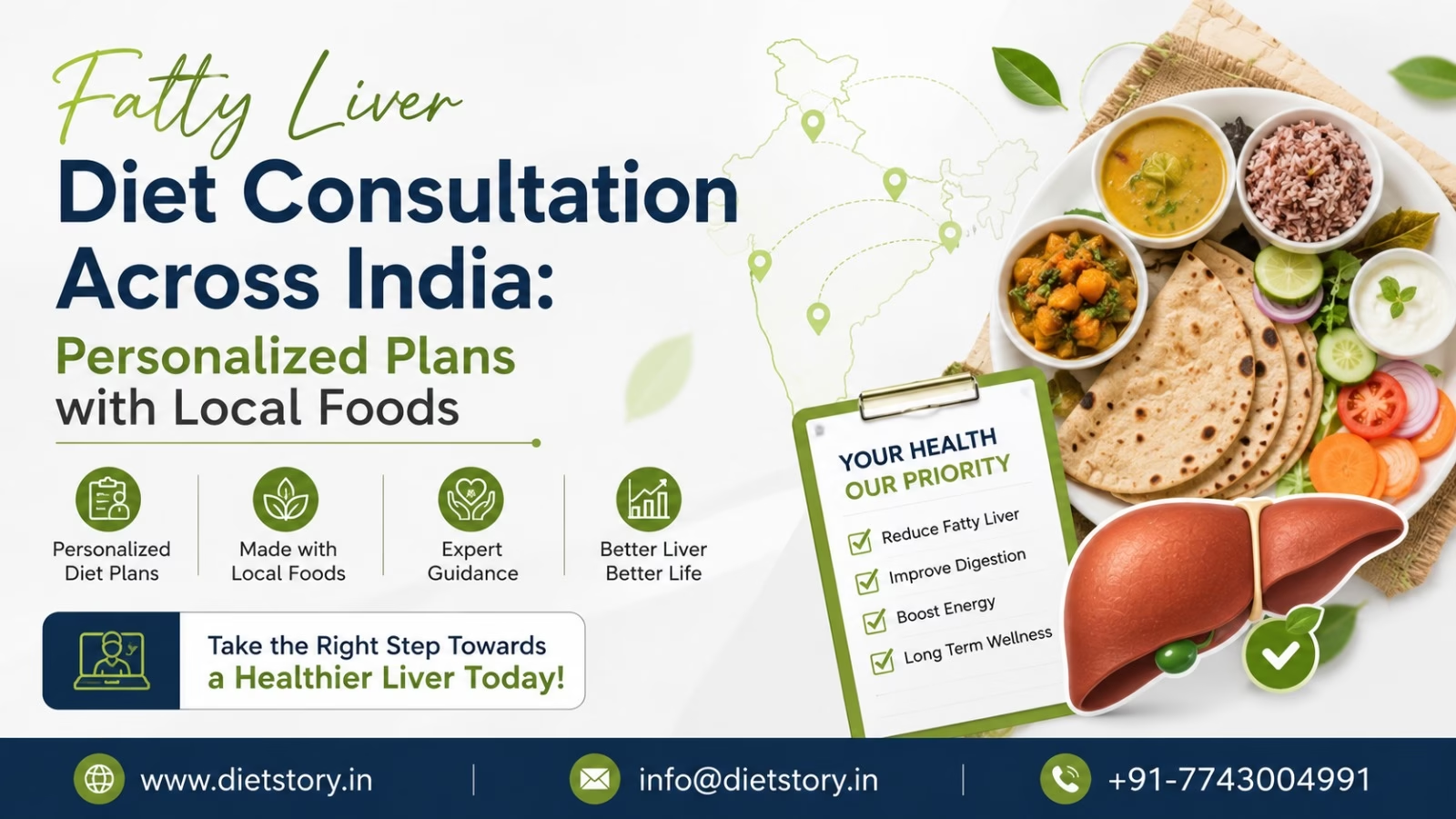
If your last blood report flagged “fatty liver” and your doctor told you to “fix your diet” without much else, you’re not alone. It’s one of the most common — and most vague — pieces of advice patients walk out with. At Diet Story, This happens to be one of the major problems that we come across at Diet Story, especially for people living in our clinics based in Gurgaon and Delhi NCR, particularly those who have a 9-hour desk job, overweight males, and females with PCOS and thyroid weight gain issues.
What’s positive about this condition is that it is one of the few illnesses that respond to diet. You won’t have to go around searching for exotic foods or adopt a diet from some other country via the internet. You just need to be aware of which foods should be included, reduced, or avoided altogether in your Indian diet.
What Is Fatty Liver, in Plain Terms?
Fatty Liver (MASLD, previously called NAFLD) results from fat deposits in the liver cells because of obesity, improper nutrition, diabetes, or physical inactivity. In general, patients who suffer from this condition experience no symptoms. This disease is identified only through blood or ultrasound examinations. It can progress into MASH (liver inflammation), or in some cases, even liver fibrosis, if not treated for several years. Fatty Liver disease, when caught at the beginning stages, can be fully cured.
Key Causes and Risk Factors
Fatty liver rarely has a single cause. In our clinic, we usually see a combination of:
- Increased abdominal fat or obesity – abdominal fat tends to be metabolically active and is associated with fat accumulation in the liver
- Insulin resistance – seen in conditions like prediabetes, type 2 diabetes, and PCOS
- PCOS and hormonal imbalance – as much as 50% of women suffering from PCOS can be said to suffer from fatty liver because of insulin resistance
- Desk jobs involving prolonged periods of sitting down – causes slowed metabolic rates and fat storage
- Eating high amounts of refined carbohydrates and sugar – white bread, food prepared using maida, sugar in tea/ coffee, packaged fruit juices, etc.
- Outside food and fried food – a daily affair among professionals as they take their lunch out on most days
- High cholesterol levels/high blood pressure – tend to accompany fatty liver
- Little or no alcohol consumption required – contrary to what people believe, one doesn’t require drinking alcohol to get fatty liver, in fact, NAFLD is more common around the world
Actionable First Steps for Beginners
You won’t have to change everything on day one. Start here:
Cut liquid sugar first — sweetened tea, cold drinks, packaged juice, and even too much fruit juice add up fast and are one of the biggest liver-fat contributors.
Add one fibre-rich food to every meal — a bowl of salad, a portion of dal, or sautéed sabzi before you eat rice or roti.
Swap refined grains for whole grains gradually — start by replacing white rice at dinner with a millet like jowar or bajra, rather than changing everything at once.
Fix your cooking oil quantity, not just the type — mustard oil, groundnut oil, or olive oil are all fine; the issue is usually how much is used, not which one.
Walk after meals — even a 10–15 minute walk after lunch and dinner measurably helps blood sugar and liver fat over time.
Aim for gradual weight loss, not a crash diet — losing just 5–10% of your body weight has been shown to meaningfully improve liver fat.
Foods to Eat for Fatty Liver diet (Indian Swaps)
| Instead of this | Try this |
| White rice at both meals | Brown rice, jowar, bajra, or a mix of rice and dal (khichdi) |
| Refined atta paratha | Multigrain or besan-atta roti, cooked with minimal oil |
| Sweetened chai, 3–4 cups/day | Black tea, green tea, or plain black coffee (coffee is genuinely liver-protective) |
| Deep-fried snacks | Roasted chana, makhana, sprouts chaat |
| Regular ghee/butter on everything | Measured mustard or olive oil for cooking; ghee in small, controlled amounts |
| Sweet lassi or flavoured yogurt | Plain curd, chaas (buttermilk), or curd with flaxseed powder |
Other foods that can be used to make your plate more nutritious include methi leaves, palak leaves and bathua, use of garlic and turmeric as a part of your tadka, inclusion of walnuts and flaxseeds in your diet, non vegetarian people can consume rohu and sardines, chana and rajma as plant-based sources of proteins, and fruits such as papaya, guava, and amla.
Foods to Avoid
- Sugar-sweetened beverages – cold beverages, canned fruit juices, sugar-added lassi
- Refined sugars – products made from maida like bread, biscuits, bakery products
- Deep-fried foods — samosas, pakoras, kachori, fried chaat items
- Excess salt and heavily processed foods — packaged namkeen, instant noodles, ready-to-eat curries
- Red and processed meat in large, frequent portions
- Alcohol — it adds direct, extra strain on a liver that’s already storing excess fat
Foods to Heavily Restrict
A step beyond “avoid,” these should be rare, occasional treats rather than regular parts of your week:
- Foods high in fructose corn syrup or added sugar — many packaged sauces, ketchups, and sweetened cereals contain more than people expect
- Trans fats — found in some bakery products, margarine, and certain packaged fried snacks; these are consistently linked with worsening liver fat
- Full-cream dairy in large quantities — heavy cream, malai, and full-fat paneer eaten in excess
- Refined, heavily processed- white flour products consumed daily, like maida-based parathas or bakery buns
Treatment and Management: What Actually Helps
There’s currently no medicine that reverses fatty liver on its own — diet and lifestyle remain the core treatment. What we typically build for clients at Diet Story includes:
- Calorie-appropriate and fibre-filled diet based on your current food tastes and not an adopted one
- Switch to use of unsaturated fats like mustard, olive, and groundnut oils instead of saturated and trans fats
- Portion-controlled whole grains rather than complete elimination
- Realistic movement targets that fit around a desk job — walking, stairs, short home workouts
- For women with PCOS, additional focus on managing insulin resistance through meal timing and carb-protein balance
- Regular monitoring through liver function tests and ultrasound, in coordination with your physician
If you have existing conditions like diabetes, high cholesterol, or PCOS, your fatty liver plan should be built around those too — this isn’t a one-size-fits-all diet, and a generic plan often does more harm than good.
A Sample Day (Delhi-NCR Style)
- Morning: A glass of lukewarm water with methi seeds immersed in it or amla
- Breakfast: Besan chilla stuffed with vegetables or poha filled with peanuts and vegetables, with black tea
- Mid-morning: Chana roasted in small quantities or fruit like guava
- Lunch: 1-2 multigrain flatbreads, dal, some seasonal sabzi, and salad
- Evening: Green tea with roasted makhana
- Dinner: Vegetable khichdi with curd or grilled fish/paneer with some sautéed vegetables
SAMPLE DIET PLANE DOWNLOAD FREE PDF
Diet Story: Now Reaching Clients Across More Cities
While our clinics operate in Gurgaon and Delhi NCR region, our online counseling covers all parts of India. During many years of service, we have provided treatment to the patients living in the cities of Ahmedabad, Rajkot, Pune, Nashik, Aurangabad, Kolhapur, Belgaum, Chennai, Coimbatore, Hosur, Bengaluru, Hyderabad, Faridabad, Manesar, Bhiwadi, Gurugram, Delhi NCR, Ludhiana, Chandigarh, Jamshedpur, and some parts of Haryana and Punjab.
Whatever city you live in, the diet for your Fatty Liver should be easily accessible, realistic and straightforward from your local market. Instead of recommending anything expensive and exotic ingredients in the diet for your treatment, we assist you in preparing your personal diet plan containing only the items that you regularly use and like.
👉 Book your personalized diet consultation at Diet Story
If you’d like a personalised plan tailored to your blood reports, food preferences, and lifestyle, book a consultation with Dt. Prerna Dhingra at Diet Story, Gurugram.
📞 +91-7743004991 📧 info@dietstory.in 📍 Gurugram, Haryana
Frequently Asked Questions
Can fatty liver be reversed completely with diet? In many early-stage cases, yes — losing 5–10% of body weight through a sustained, balanced diet has been shown to significantly reduce liver fat. Advanced cases need closer medical supervision alongside diet changes.
Is rice completely off-limits for fatty liver? No. Rice in controlled portions, ideally paired with dal, vegetables, and fibre, is fine for most people. The bigger issue is usually portion size and pairing it with fried or sugary foods.
Does fatty liver cause weight gain, or does weight gain cause fatty liver? Both can happen; excessive fat on your body will be a huge contributor to fatty liver and, in turn, the resistance to insulin will make you more obese.
Do PCOS patients have a high prevalence of fatty liver? Yes, this problem is relatively common, considering that PCOS is highly connected with insulin resistance and this is one of the main reasons for fatty liver formation.
Do I need to stop ghee and oil completely? No. You need controlled consumption of healthy fats and oils, but you don’t need zero fat. A fat-free diet is not essential or sustainable.
How long does it take to see improvement in fatty liver with diet changes? Most people start seeing changes in liver enzyme levels within 8-12 weeks of consistent diet and lifestyle changes, though actual liver fat reduction confirmed on ultrasound usually takes 3-6 months of sustained effort.
Is fruit safe to eat if I have fatty liver? Indeed, whole fruit is good and can even be beneficial since fiber found in fruits will slow down the rate at which sugar gets absorbed. The problem comes in with fruit juices, where there is no fiber.
Can intermittent fasting help with fatty liver? It can prove to be beneficial for some individuals by facilitating weight reduction and enhancing insulin sensitivity, but it is not necessary and does not suit everybody, particularly individuals with irregular working hours and a history of eating disorders.
Are eggs okay to eat with fatty liver? Eggs in moderate quantities (approximately 3-4 whole eggs per week, even more if one consumes only egg whites) are allowed, as eggs contain quality protein and do not contribute much to accumulation of liver fat.
Does fatty liver always show symptoms? This disease has no symptoms at an early stage. This explains why this disease is discovered through an ultrasound or blood test meant to diagnose other diseases. Tiredness and pain in the upper right side of the abdomen can occur, but there are many who have no symptoms.
Are there any supplements required for fatty liver or will a diet suffice? For the vast majority, a well-structured diet should suffice. While there are doctors who suggest taking vitamin E or omega-3 supplements in certain situations, you should do this only on the advice of your doctor, after analyzing your reports.
Would weight lifting or just cardio benefit in reducing the fat in liver? Either can be useful, and both will definitely prove to be very useful. Cardio (e.g., walking and cycling) consumes the calories and increases insulin sensitivity, while strength training builds muscles that are able to metabolize sugar.



Leave a comment