
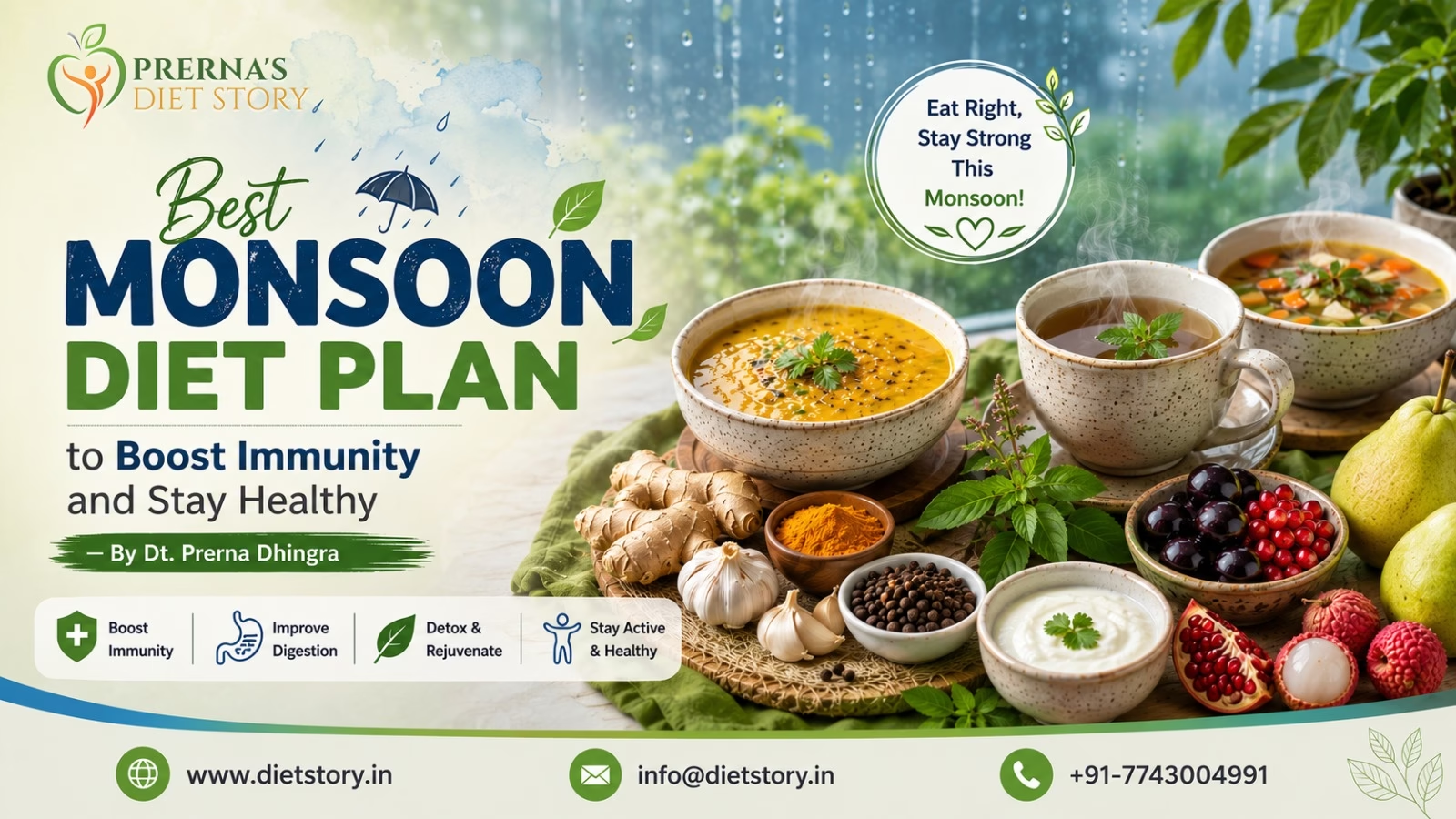
Every year, the first spell of rain in Gurgaon brings the same relief — As soon as the weather gets cooler, people venture out, no longer squinting from the heat. Each and every year, it takes about a week or two for the patients at my clinic to complain about bloating, fatigue, stubborn colds, or digestive issues from foods that were once not an issue. That’s why following a well-planned Monsoon Diet Plan becomes essential to support digestion, strengthen immunity, and stay healthy throughout the rainy season.
Monsoon does something to the body that most people don’t account for in their diet. It’s not just about carrying an umbrella — it’s about understanding why your digestion slows down, why infections spread faster, and why the food choices that worked for you in summer might actually be working against you now. This is the monsoon diet plan I actually give patients, built around one goal: keeping your gut strong so your immunity has something solid to stand on.
Why Immunity Dips During the Monsoon
Approximately 70% of your immune system resides within your intestines, which is the exact reason why monsoons affect humans so severely since the high humidity levels cause a reduction in the activities of digestive enzymes and, therefore, a slower digestion process. Combine that with the humid conditions that facilitate the growth of bacteria and fungi on fruits, veggies, and stored food, and you get the perfect conditions for seasonal flu, throat infection, and stomach bugs in July and August.
There’s also the water factor. Municipal water sources get contaminated more easily during heavy rain, and waterborne illnesses like typhoid and jaundice spike every year during this period — something worth being genuinely cautious about, not just casually aware of.
None of this means monsoon has to be a season of falling sick. It means your diet needs to do more work than usual, and that’s entirely manageable once you know what to prioritize.
What to Eat in Your Monsoon Diet Plan
Warm, cooked food. In my view, this is the most significant recommendation of all. Raw, fresh food is difficult for the body to digest if it is sick; hence, think of cooking your vegetables.
Turmeric, ginger, and garlic. They are not only spices in your kitchen cabinet but are also highly precious in this case. It will benefit you greatly from the anti-inflammatory properties of turmeric, the soothing nature of ginger on your digestive system and stomach nausea, and the antimicrobial properties of garlic.
Tulsi and black pepper. A simple tulsi-ginger tea in the morning does more for monsoon diet immunity than most supplements. Add a pinch of black pepper to enhance absorption of the nutrients in your other meals too.
Seasonal fruits that are safe. Pears, pomegranates, jamun, and litchi are good monsoon choices. Steer clear of watermelon and cut fruit sold on the street — high water content plus poor storage is a bad combination this time of year.
Probiotics and fermented foods. Fresh curd (in moderation, and always fresh) and idli-dosa batter fermentation support your gut bacteria, which — as we covered above — is directly tied to immune strength.
Protein-based hot dal and soups. Hot dal such as moong dal, masoor dal, and hot vegetable soup are easily digestible and can help you feel satiated without being too heavy.
Hot water and tea. Don’t even consider cold water this season. Drinking hot water is great for digestion and one of the easiest ways to make a big difference.
Nutritional Value of Key Monsoon Diet Immunity Foods (per 100g)
| Food | Energy (kcal) | Protein (g) | Carbohydrates (g) | Fat (g) | Important Nutrient |
| Turmeric (raw) | 354 | 8 | 65 | 10 | Curcumin, iron |
| Ginger (raw) | 80 | 1.8 | 18 | 0.8 | Gingerol & magnesium |
| Garlic (raw) | 149 | 6.4 | 33 | 0.5 | Allicin & manganese |
| Tulsi leaves | 22 | 3.2 | 2.7 | 0.6 | Vitamin C & vitamin K |
| Curd/Dahi (fresh) | 60 | 3.5 | 4.7 | 3.3 | Probiotics & calcium |
| Moong Dal (cooked) | 105 | 7.5 | 19 | 0.4 | Folate &plant protein |
| Pomegranate | 83 | 1.7 | 19 | 1.2 | Vitamin C & antioxidants |
| Pear | 57 | 0.4 | 15 | 0.1 | Fiber & vitamin C |
Values are approximate and can vary based on variety and preparation method.
What to Avoid in the Monsoon Diet
- Leafy greens like spinach and cabbage — they harbor bacteria and small insects more easily in damp weather and are harder to wash clean; if you do eat them, cook them thoroughly rather than eating them raw
- Street food and cut fruit — the single biggest cause of the stomach infections I see every monsoon
- Fried and oily food — pakoras taste perfect on a rainy day, but fried food is harder on a digestive system that’s already working slower
- Raw or undercooked seafood — river and sea contamination is higher during monsoon
- Carbonated and ice-cold drinks — they suppress digestive enzyme activity right when you need it most
- Excess dairy in the evening — heavy dairy at night can worsen bloating for some people during this season
Sample One-Day Monsoon Diet Chart
| Meal | What to Eat |
| Early Morning | Warm water with tulsi and a little amount of turmeric |
| Breakfast | Poha with vegetables or moong dal chilla with mint chutney |
| Mid-Morning | pear or a small bowl of pomegranate |
| Lunch | Roti, moong dal, lightly sautéed lauki or bhindi sabzi with fresh curd |
| Evening | Ginger tea with roasted makhana or roasted chana |
| Dinner | Light veg soup or khichdi with ghee |
| Pre-Bedtime | hot turmeric milk (optional) |
Approximate Nutritional Breakdown of the Sample Day
| Meal | Approx. Calories | Protein (g) | Carbohydrate (g) | Fat (g) |
| Early Morning | 5 | 0.2 | 1 | 0 |
| Breakfast | 220 | 6 | 32 | 7 |
| Mid-Morning | 60 | 1 | 15 | 0.5 |
| Lunch | 380 | 14 | 55 | 10 |
| Evening | 90 | 3 | 12 | 3 |
| Dinner | 300 | 9 | 45 | 8 |
| Before sleep | 90 | 4 | 8 | 4 |
| Total (approx.) | ~1,145 | ~37 | ~168 | ~32.5 |
This is just a sample plan and not a set formula; portion sizes should vary according to your age, fitness level, weight Loss requirements, and health condition.
This is a general plan for everyone, and it’s not to be taken as an absolute. For individuals with certain conditions like thyroid, PCOS, IBS etc., the changes made during
Immunity as a Process of Wellness, Not a One-Time Solution
This is where everyone fails every monsoon season – they fall sick and then turn to foods or supplements that will boost their immunity. This is not how immunity functions. Immunity comes out of repetitive and mundane activities – having a proper sleeping schedule, keeping yourself hydrated, managing stress, and eating healthy food that helps your body.
Monsoon diet plan is something that needs to be followed regularly, rather than just one kadha when it’s too late. That is why some people have an easy monsoon season while others keep changing between infections.
Monsoon Immunity: Myths vs Facts
Myth: More consumption of vitamin C tablets leads to fewer chances of being ill in the monsoon season. Fact: While it is true that vitamin C increases immunity levels, it fails to offset poor digestion and poor quality food intake.
Myth: No fruits are recommended for consumption during monsoons. Truth: There are specific fruits which pose a health risk – the reasons being the water content and the way they are prepared or stored.
Myth: One must avoid the intake of milk and curd during the monsoons. Truth: Consumption of fresh curd during the day serves as the means of beneficial bacteria for the digestive system whereas stale milk or curd can cause health problems.
Myth: Intake of immune-boosting kadhas is sufficient to stay healthy during the monsoons. Truth: Kadha is one among several aspects that contribute to staying healthy during the monsoons.
Monsoon Diet Guidance Across India
Monsoon doesn’t behave the same way everywhere, and neither should your diet plan.
Delhi-NCR and Gurgaon: Humidity swings are sharp here, and waterlogging often affects water quality — extra caution with drinking water and street food is non-negotiable this season.
Mumbai and Pune: Heavier, longer rainfall means higher humidity for weeks at a stretch, so digestive sluggishness tends to last longer — warm, light meals matter even more here.
Bangalore & Hyderabad: The cool monsoon weather reduces heat-related exhaustion, but does not reduce the risks of infections – hygiene is still just as necessary in handling fresh veggies and fruits.
Kolkata and East Indian states: Long spells of humidity along with greater consumption of fish and seafood require additional precautions when it comes to seafood consumption.
Chennai and South India: Humidity and a diet with more consumption of seafood requires the same precautions while consuming seafood, in addition to increased attention to hydration.
No matter where you are located, the basic tenets remain the same – warm food, safe water, and gut-first meals – but the areas of emphasis change depending on the regional climate and eating preferences. The Diet Story provides online consultations pan India, so that you could tailor your monsoon diet according to your particular city and habits.
A Word From Dt. Prerna Dhingra
Monsoon is one of my favorite seasons to work with patients on, precisely because small, consistent changes make such a visible difference. You don’t need an elaborate diet overhaul — you need warm food, clean water, a gut-friendly routine, and a little more caution about what and where you eat. That’s genuinely most of it.
If you’d like a monsoon diet plan tailored to your specific health condition or lifestyle, Diet Story offers online consultations across Delhi-NCR and pan-India — reach out and we can build one together.
Scientific References
- According to research, gut microbiota is critical in the development of immune system functions such as T cell regulation and immunity tolerance – Frontiers in Immunology, 2025.
- According to clinical and pre-clinical trials, curcumin (active ingredient of turmeric) has anti-inflammatory effects in the body through the modulation of inflammatory pathways in the body – MDPI, Nutrients and NCBI/PMC, 2023-2025.
- From 2005 to 2022, India experienced more than 20.9 crore of incidences of waterborne diseases including acute diarrhea disease, typhoid, cholera and viral hepatitis. Monsoon flooding and drainage contamination have been identified as major factors – Dataful analysis of government health data, 2025.
- Typhoid fever incidences have been found in North India peaking in July to September coinciding with the monsoon season – PMC, Clinico-epidemiological study of typhoid outbreak in North India.
- According to a 2015 outbreak investigation carried out in Kolkata, there was an observed increase in the number of cases of diarrhea and cholera following waterlogging after the monsoon period – NCBI/PMC.
This article is written for general dietary awareness and does not replace individualized medical or nutritional advice. For persistent symptoms or specific health conditions, please consult a qualified doctor or dietitian.
Book a Consultation with Diet Story →
If you’d like a personalised plan tailored to your blood reports, food preferences, and lifestyle, book a consultation with Dt. Prerna Dhingra at Diet Story, Gurugram.
📞 +91-7743004991 📧 info@dietstory.in 📍 Gurugram, Haryana
Frequently Asked Questions
What foods to take and what not to consume in monsoon season? Concentrate on warm food, fresh fruits such as pears and pomegranates and immune boosting foods such as turmeric, ginger and tulsi. Avoid street foods, cut fruits, green salads and fried foods.
What fruits are immune boosting fruits for the monsoon season? Fruits such as pears, pomegranates, jamun and litchi are recommended. Avoid watermelon and any pre-cut fruits that are available outside.
Is it okay to consume curd in monsoon season? Yes, fresh curd consumed in the daytime will help in building gut flora and immunity. Avoid consumption of old curd and if possible reduce the consumption of curd in the evenings if you have problems with bloating.
How can I build up my immunity naturally in the rainy season? Eat warm meals, consume plenty of warm water, include spices such as turmeric, ginger, garlic in your meals, sleep well and avoid any raw or street food.
What vegetables are recommended for consumption in the monsoon season? Bottle gourd (lauki), bitter gourd (karela), pumpkin and Okra (bhindi) are good options, as they can be cleaned easily and survive cooking. Consume lesser quantities of leafy vegetables unless they are cooked well, as they have more chance of contamination in humid conditions.
Is the coconut water safe for consumption in the monsoon season? Yes, within limits, as it is a good source of hydration and contains electrolytes in good amounts, but being a raw, perishable beverage, it should be ensured that it is fresh and comes from a trustworthy vendor and not a cut product.
Can we consume eggs in monsoon? Yes, eggs contain good quality proteins and can be consumed in monsoon as well. They should just be consumed after thorough cooking.
Is tea beneficial during monsoons? Yes, having some warm herbal tea like ginger tea, tulsi tea, or even just black tea will be helpful in digestion and also gives a good taste to take in such wet weather. But tea should not be used as a substitute for food and not taken excessively because of caffeine.
What can be the best breakfast for the rainy season? Dishes that are warm, like vegetable poha, moong dal chilla, upma, or vegetable daliya, will be the right choice to eat. This type of food is easily digestible, keeps us full for long time periods and avoids the danger that comes with eating raw or cold breakfast like fruit salads or fresh juices.
What are the foods that improve immunity in monsoons? The following food items – turmeric, ginger, garlic, tulsi, curd, citrus fruits, and pomegranate will help because of their anti-microbial, antioxidant, and digestion qualities.
Is khichdi healthy in monsoons? Yes, khichdi is one of the healthiest foods of monsoon season, as it is warm, easy to digest, and when prepared with moong dal and vegetables, gives you protein, fibers, and carbohydrates without stressing your digestive system.
Can diabetic patients follow a monsoon diet? Yes, with some adjustments. The core principles — warm cooked food, hygiene, avoiding street food — apply just as much, but portion sizes, the choice of fruits (lower glycemic options like pear over litchi), and carb timing need to be personalized, so it’s worth checking in with your dietitian before the season shifts.





Leave a comment