

Understanding Renal Disorders
Kidney failure, also known as renal failure, occurs when one or both of your kidneys no longer work properly. Kidney failure is sometimes brief and occurs suddenly (acute). Other times, it’s a chronic (long-term) ailment that gradually worsens. If the kidney health do not work properly, toxins accumulate in the body, eventually leading to renal failure.
So, it is essential for us to maintain it and follow a healthy lifestyle and nutrition for the proper functioning of the body.
Signs & Symptoms :
- Fatigue:
Heathy kidneys make a hormone called erythropoietin, as the kidneys fail, they make less EPO. With fewer red blood cells to carry oxygen, your muscles and brain tire very quickly.- Shortness of breath:Being short of breath can be related to the kidneys in two ways. Firstly, extra fluid in the body can build up in the lungs. And secondly, anemia can leave your body oxygen-starved and short of breath.
- Nausea and vomiting:A severe build-up of wastes in the blood (uremia) can also cause nausea and vomiting. Loss of appetite can lead to weight loss.
- Swelling in hands or feet:Failing kidneys don’t remove extra fluid, which builds up in your body causing swelling in the legs, ankles, feet, and/or hands.
Role of nutrition for Kidney Health :
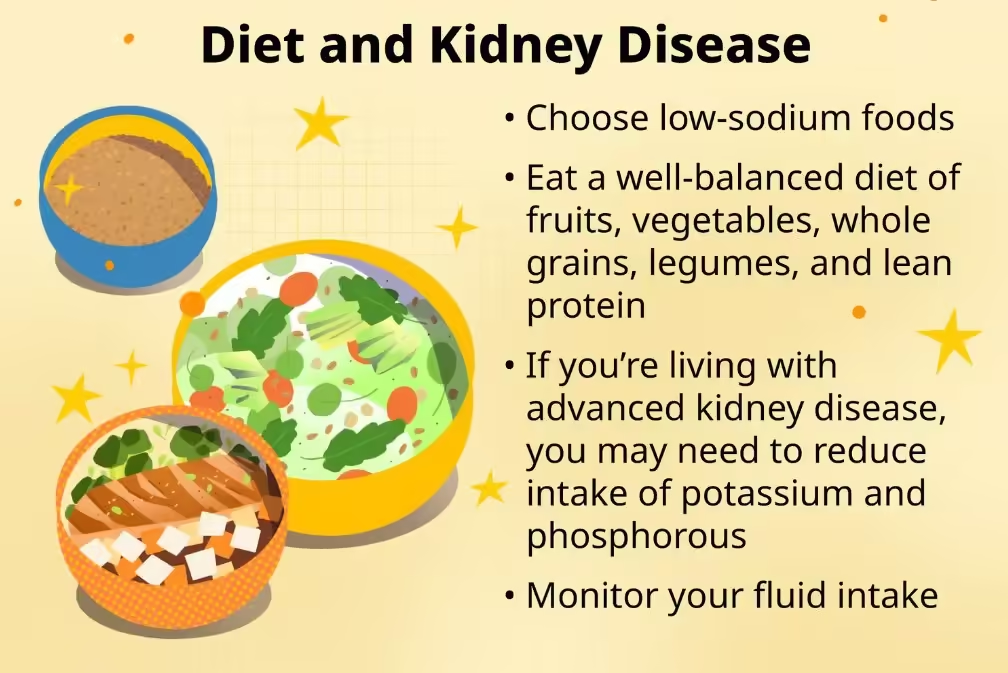
Proper nutrition is crucial for supporting kidney health and function. Here are some key dietary considerations for maintaining your kidneys :
- Stay Hydrated: Adequate hydration is essential for maintaining kidney function and preventing kidney disorders. Aim to drink plenty of water throughout the day, and limit consumption of sugary beverages and caffeinated drinks, which can strain the kidneys.
- Eat a Balanced Diet: Focus on eating a balanced diet that includes a variety of fruits, vegetables, whole grains, lean proteins, and healthy fats provide essential nutrients such as vitamins, minerals ,proteins and antioxidants that support kidney health and overall wellness.
- Limit Sodium Intake: Excess sodium can increase blood pressure and strain the kidneys. Hence you must Limit your intake of high-sodium foods such as processed foods, canned soups, and salty snacks, and opt for fresh foods whenever possible.
- Monitor Protein Intake: Consuming too much protein can put stress on the kidneys, especially for individuals with kidney disease. Its needed to Consult with a dietician to get the appropriate amount of protein for your individual needs.
- Manage Blood Sugar and Blood Pressure: High blood sugar and high blood pressure are leading causes of kidney disease. Hence monitoring of blood sugar and blood pressure levels is required to reduce the risk of kidney complications.
In conclusion, Nourishing your kidneys is critical for long-term health and well-being. A balanced diet, staying hydrated, and incorporating healthy lifestyle practices into your routine will help kidney function and lower your risk of renal disease.
Dt. Prerna Dhingra is a dietitian specializing in renal health with extensive experience in managing dietary needs for patients with kidney disorders. Consulting with specialists Dt. Prerna Dhingra can provide invaluable support and guidance for dietary and effective and sustainable lifestyle system.
“ Prioritise renal health today for a better tomorrow.”
Book a Consultation with Diet Story →
If you’d like a personalised plan tailored to your blood reports, food preferences, and lifestyle, book a consultation with Dt. Prerna Dhingra at Diet Story, Gurugram.
📞 +91-7743004991 📧 info@dietstory.in 📍 Gurugram, Haryan|
FAQs – Renal Disorders & Kidney Health
1. What are the common symptoms of renal disorders? Common symptoms may include fatigue, swelling, nausea, changes in urination, and shortness of breath. Symptoms can vary depending on the stage and cause of kidney disease.
2. Can a healthy diet help protect kidney health? Yes. A balanced diet, appropriate sodium intake, healthy blood pressure, and good blood sugar control can support kidney health and reduce risk factors.
3. How much water should I drink for kidney health? Fluid needs vary. While adequate hydration is important for many people, those with advanced kidney disease or fluid restrictions may need to limit fluids. Follow your doctor or renal dietitian’s advice.
4. Should people with kidney disease avoid protein? Not necessarily. Protein requirements depend on kidney function, disease stage, and whether a person is on dialysis. A renal dietitian can determine the appropriate amount.
5. Is salt harmful for people with kidney disease? Excess sodium can contribute to high blood pressure and fluid retention, which can put additional stress on the kidneys. Limiting high-sodium processed foods is often recommended.
6. Can diabetes and high blood pressure affect the kidneys? Yes. Diabetes and high blood pressure are problems for the kidneys. If you manage diabetes and high blood pressure you can lower the chance of hurting your kidneys.
7. Are fruits and vegetables safe for people with kidney problems? Most fruits and vegetables are good for you. Some people with kidney problems need to be careful about how much potassium or phosphorus they eat. The best foods for you depend on what your blood tests show and how bad your kidney disease






Leave a comment